In April 2009, the Legislative Yuan passed the Act to Implement the ICCPR and the ICESCR, giving these two most important international human rights treaties the force of domestic law and pledging to the international community Taiwan's determination to abide, of its own accord, by the norms and institutions of the international human rights system. For Taiwan, long excluded from the international community, international human rights standards that had once seemed abstract and remote became part of the domestic legal order.
However, most people, including those in government, were unfamiliar with what international human rights actually entail. How could such an enormous, all-encompassing institutional reform be set in motion? That same year, Peter Huang (Huang Wen-hsiung) brought together more than forty human rights groups, lawyers and scholars, who on International Human Rights Day, 10 December, announced the founding of a coalition to monitor the government's fulfilment of the human rights obligations that come with the two Covenants.
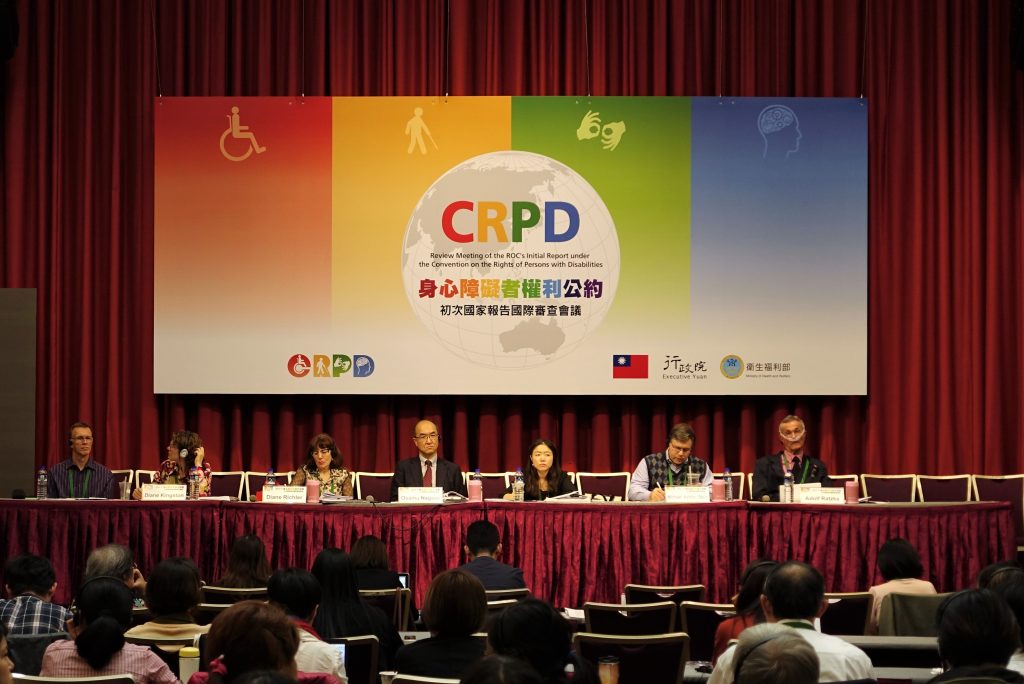
The government went on to pass the Act to Implement CEDAW in 2011, and the Acts to Implement the CRC and the CRPD in 2014. The coalition's work expanded accordingly and it took its current name, Covenants Watch. Formally registered in 2016, it continues to work tirelessly for the implementation and deepening of Taiwan's human rights mechanisms.